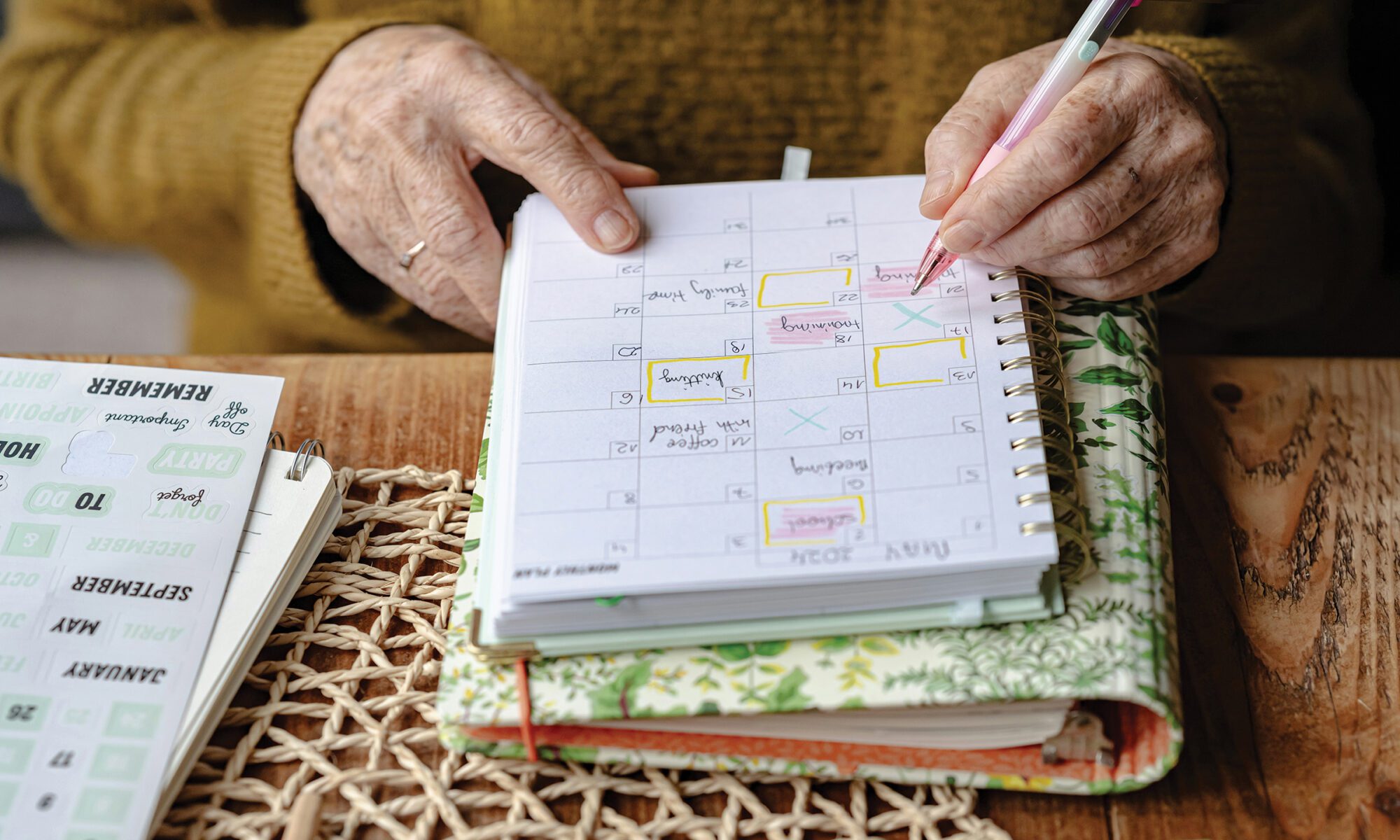
One of the clearest takeaways from the U.S. POINTER study is that structure matters. The idea of lifestyle changes isn’t new, but the study found that when such changes are implemented consistently—and with a certain intensity—the effects can be more pronounced. Frequency and follow-through matter as much as the changes themselves. In practical terms, that means occasional efforts—a weekly walk, a brief dietary change, a few isolated attempts at cognitive training—tend to have limited effect. It’s the accumulation of small, repeated actions that begin to shape outcomes over time.
In the study, cognitive exercise meant logging in to a brain-training program several times a week, then carrying that engagement into conversation, reading, and other forms of mental stimulation. Physical activity had a similar cadence: regular aerobic exercise supplemented by strength and flexibility training. Participants also followed the Mediterranean Intervention for Neurodegenerative Delay (MIND) diet—rich in leafy greens, berries, whole grains, olive oil, and fish—and underwent routine health monitoring. Unlike more restrictive dietary models, the MIND diet emphasizes patterns that can be sustained over time, focusing on foods associated with slower cognitive decline while limiting those linked to impairment, such as red meat, butter and processed items.
At the Masonic Homes, these same elements are added to feel like a regimen and more like everyday life. Morning could begin with a walk or a stretch class, followed by a shared meal; later there might be a book club, a card game, or time in the garden. There are opportunities for connection, but also time to step back—quiet paths, solitary routines, time alone. Engagement is encouraged but not imposed. Team members support that rhythm in small ways, reinforcing familiar patterns through repetition and gentle cues rather than rigid scheduling.
Flexibility extends to the structure of the day itself. Memory care begins with how a person already lives, and staff work to preserve existing patterns wherever possible. An early riser can keep a 5 a.m. walk and reading routine; a night owl can hold on to a later rhythm, with an evening stroll or a late—night snack. Rather than ask residents to conform to a fixed schedule, the model adapts to their preferences—an approach that mirrors the research, which shows that while the building blocks of brain health are shared, how they come together is individual.
In some cases, that continuity shows up in small but telling ways. One family member described visiting her mother and noticing she had begun wearing her pearls again—an early sign that familiar routines were returning. In another instance, the team worked with a couple to re-create a long-held grooming ritual, helping restore a sense of comfort and recognition that had been difficult to maintain at home.
At the same time, advances in medicine are making earlier diagnosis more common, opening a critical window for intervention. Early-stage dementia doesn’t always present as dramatic memory loss; it can involve subtler changes—misplaced items, difficulty following conversations, or growing reliance on notes and reminders. These changes are often easy to attribute to normal aging, which can delay diagnosis and limit early intervention.
Earlier detection allows for a different trajectory: more time to assemble a care team, manage medications, and begin building habits that sup-port cognitive health while routines are easier to establish. It also gives individuals and families more space to plan and make decisions before care becomes urgent. Combined with multi-domain strategies and therapies tailored to individual symptoms, that window offers greater influence over how memory loss unfolds.
The broader landscape is evolving as well. Not long ago, memory care focused primarily on managing decline. Today the emphasis is increasingly on what can be preserved—and in some cases strengthened. Research continues to expand, spanning drug therapies, lifestyle interventions, and caregiving models.
The Masonic Homes is part of that wider move-ment, offering programming that balances structure with independence. Grounded in evolving research and applied in a residential setting, its approach is less about managing symptoms than maintaining continuity—supporting residents in sustaining routines, connections, and a sense of self over time.