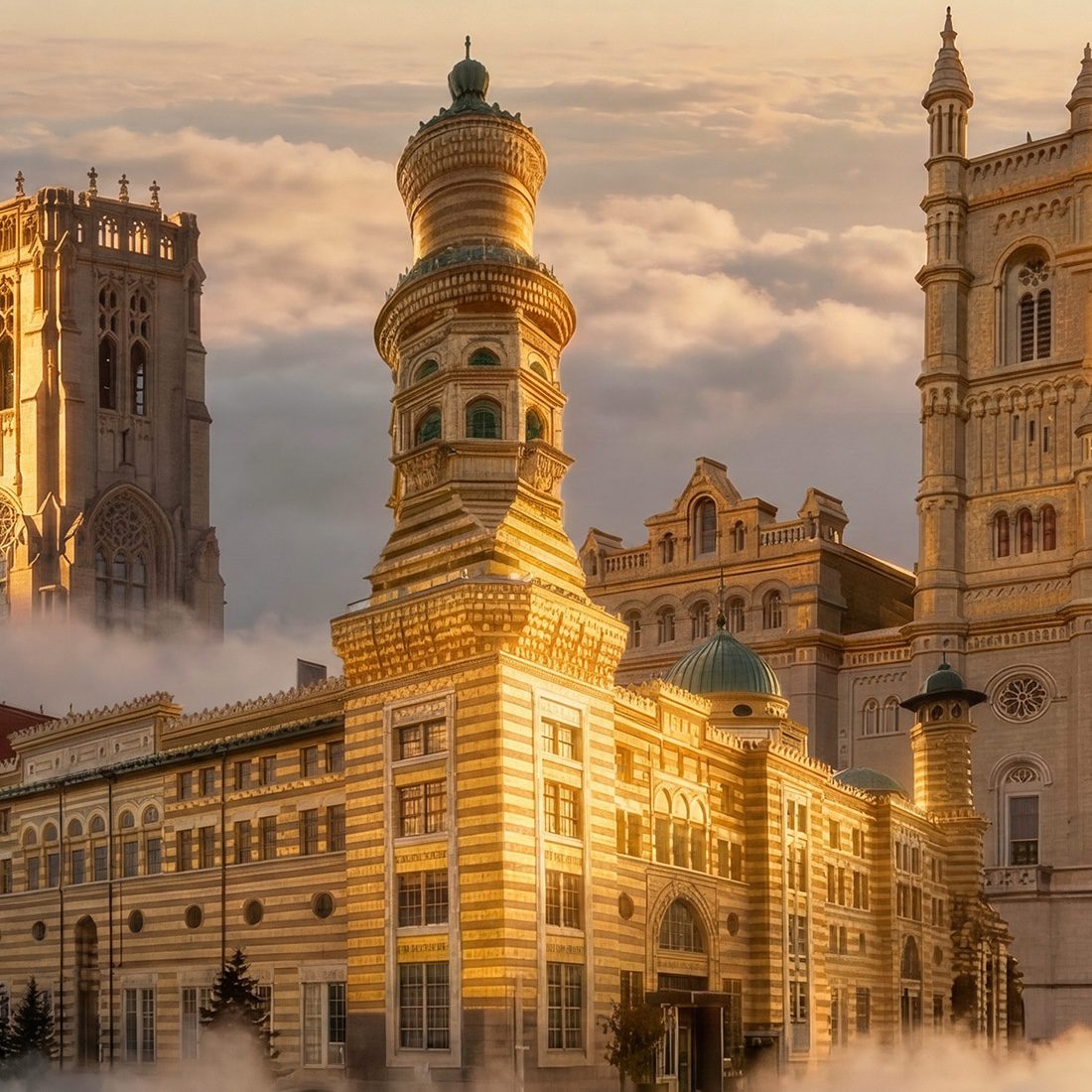
Monuments to Belonging
At the turn of the 20th century, scale and spectacle put Masonic temples on the skyline, shoulder to shoulder with banks and courthouses.
When the Citrus Heights Health Center in Covina opened at the Masonic Homes in Covina in 2024, it represented more than the provision of new skilled nursing care for residents. The Center’s design, with its gleaming wood and porous, light-filled spaces, embodied an architecture of care and compassion—rooted in wood paneling and stone masonry, whispered in communal courtyards, and echoed in soaring atriums.
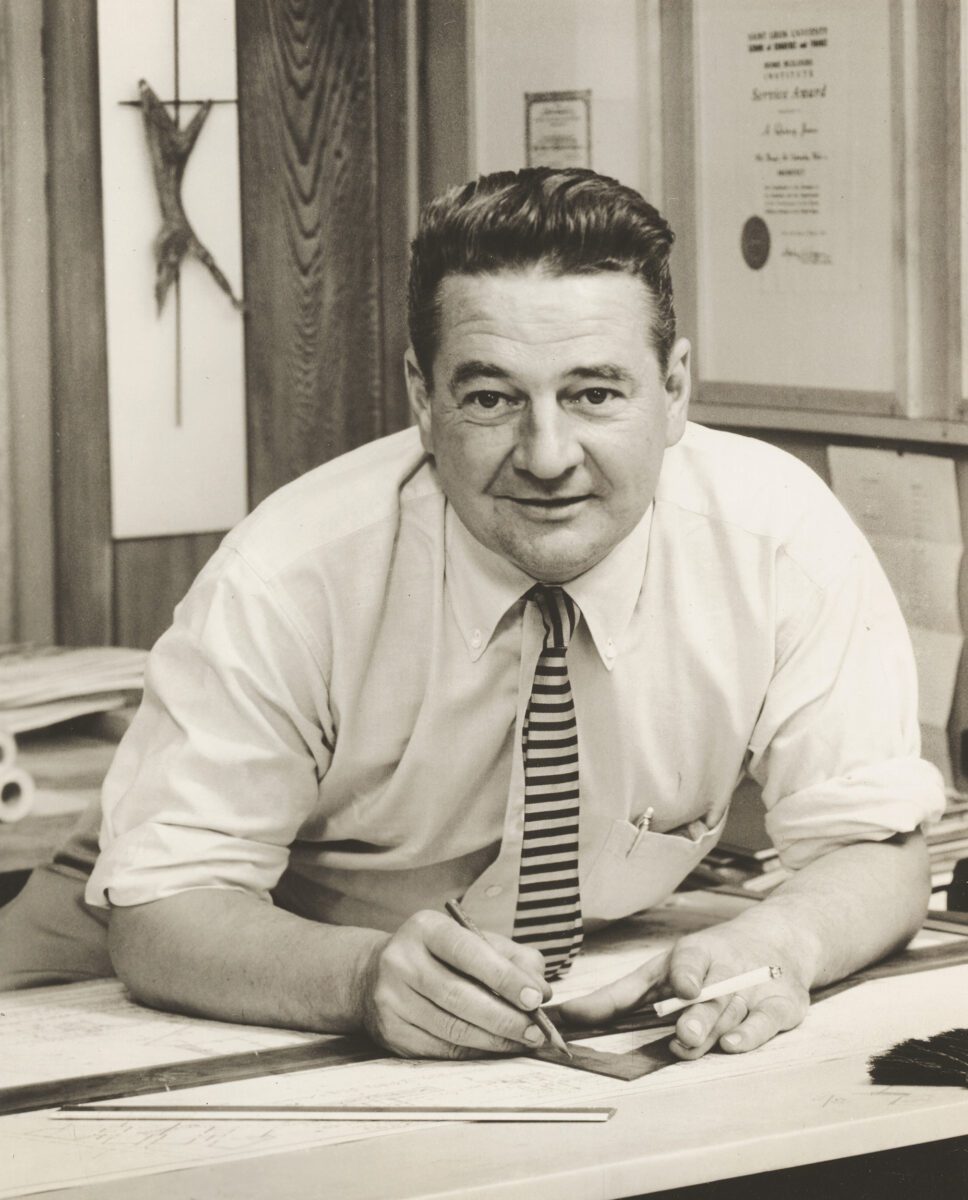
These architectural elements, which earned the Center the 2024 International Interior Design Association Healthcare Design Award, reach back to the campus’s midcentury origins and the enduring legacy of famed California modernist architect A. Quincy Jones. From 1968 to 1970, Jones and his business partner, Frederick J. Emmons, designed a significant portion of Covina’s present-day campus, embedding a language of openness, horizontality, and human scale. The project reimagined what had been the dormitory-like Masonic Home for Children, built in 1916 on a 33-acre former citrus ranch east of Los Angeles—reshaping not just the campus, but the philosophy behind it.
“Jones was a very dignified man, a true networker and collaborator. He believed in giving back, which he did with students as dean and teacher at the University of Southern California. And while he was not a Mason, the philosophy would have attracted him,” says Cory Buckner, an LA–based architect and author of the 2002 monograph A. Quincy Jones, who has lived in one Jones-designed home and restored several others. “Obviously, the Masonic Homes had a very progressive view in hiring him.”
Historical records show that in October 1968, the Masonic Homes board approved the contract for Jones and Emmons’s master plan of the Covina redevelopment, including “demolition of the sixty-year-old dormitories, construction of the new perimeter roadway, and moving of the baseball and tennis facilities.” Jones’s plan replaced the traditional orphanage with family-style cottages grouped around a central community building, all connected by landscaped open spaces. At the time, 30 elementary, 18 junior high, and 18 high school students lived at the Masonic Home, with three couples serving as house parents. His goal was to make the campus feel less institutional, more “family centered,” as the records indicate. That also meant swapping agrarian structures for recreational opportunities—feeding pens were converted to basketball, volleyball, and badminton courts, and the barn became a recreational-vocational site—presumably to the delight of the kids.
At the turn of the 20th century, scale and spectacle put Masonic temples on the skyline, shoulder to shoulder with banks and courthouses.
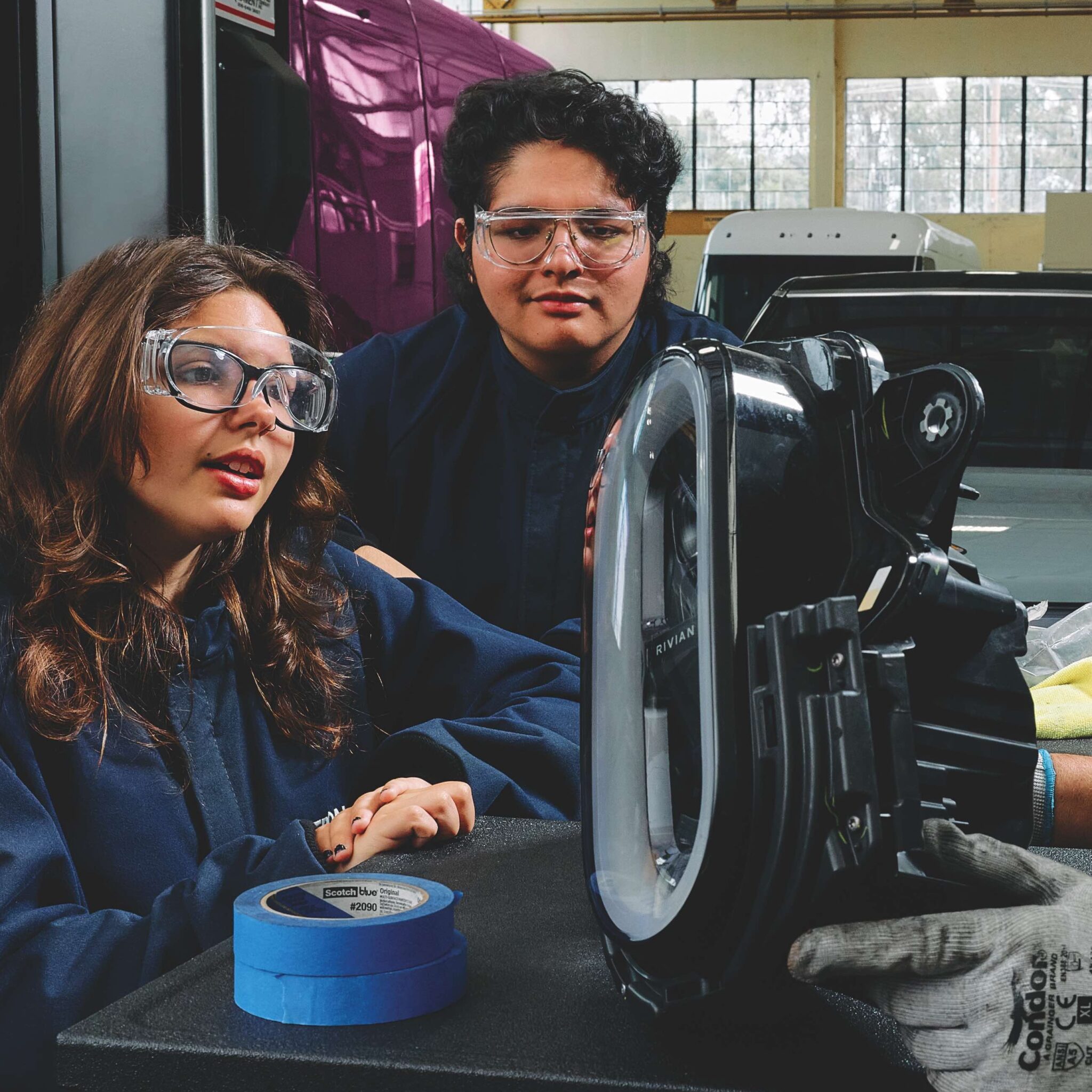
A year after launch, Cal EPIC is expanding in Sacramento—and moving students into hands-on training for EV careers.
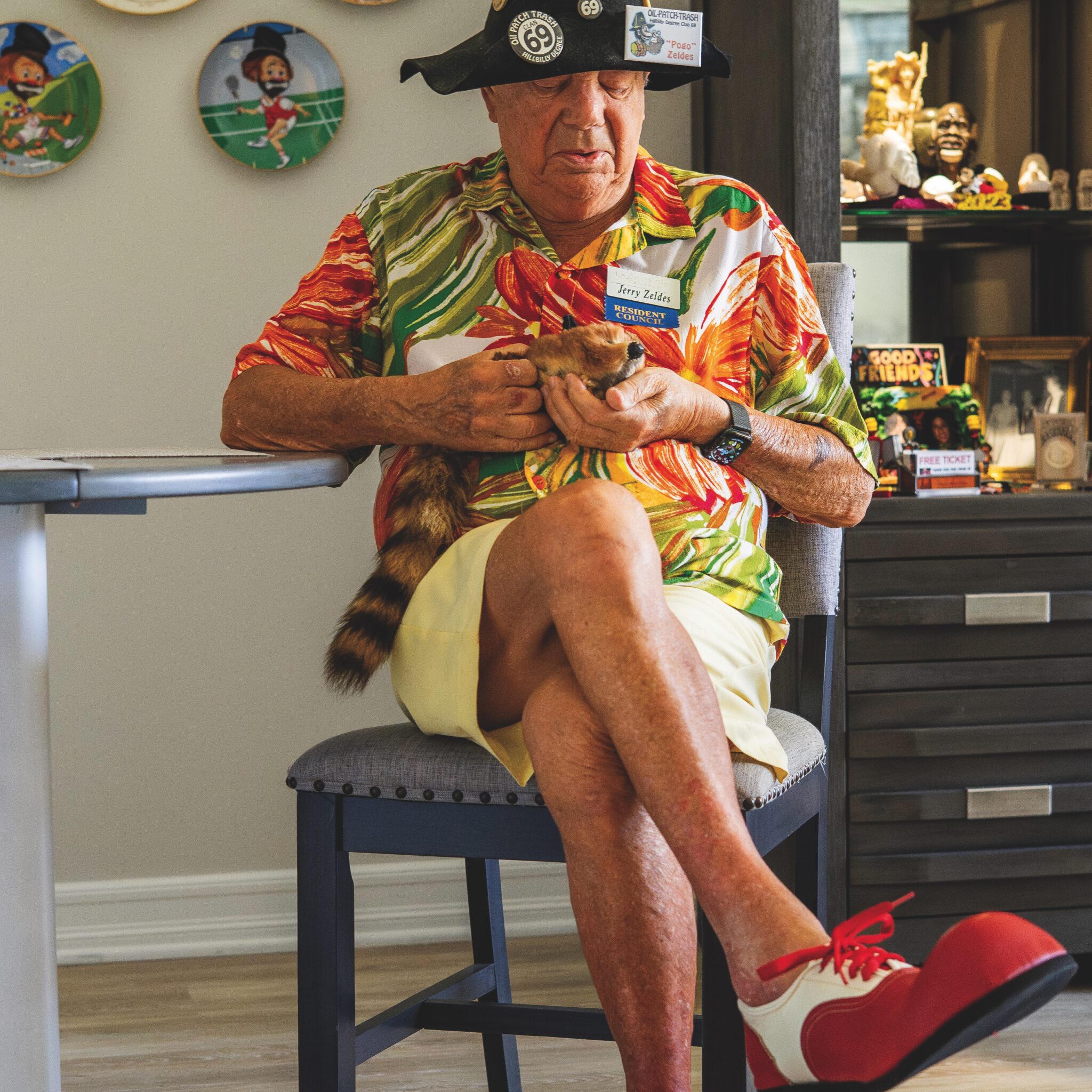
For Jerry Zeldes of Home Lodge No. 721, clowning around was more than just a form of service.