Mozart: Mason, Man, Musician

IN THE MAGIC FLUTE, MUSICAL GENIUS AND MASONIC IDEALS CONVERGE.

By Jeanette Yu

This June, one of the most prestigious opera companies in the nation closes its 40th-anniversary season with Mozart’s The Magic Flute. The occasion also marks the culmination of famed Music Director James Conlon’s 20-year tenure at LA Opera. Having set industry records leading more than 500 performances of 70-plus operas, the Grammy-winning conductor has shared in interviews and his own writings that “it was clear” from the start that he “couldn’t live without Mozart.” 

Conlon’s LA Opera era ends with the groundbreaking co-production of Mozart’s masterpiece by Barrie Kosky, Suzanne Andrade, and Komische Oper Berlin. And for good reason—with spectacular interactive animations inspired by 1920s silent film, the creative treatment brings Mozart’s philosophical, Masoniccoded story into contemporary focus. Mozart and librettist Emanuel Schikaneder—both Masons—frame a fantastical world where reason tempers superstition, virtue is tested, and clarity—moral and intellectual—guides action. The opera envisions a society built on sympathy, knowledge, and shared rituals, where equality and harmony aren’t abstractions but attainable goals. The Magic Flute is a blueprint for the best way of becoming. For Conlon, Masons, and audiences everywhere, it’s a story that illuminates who we are, and who we might yet be.

Becoming Mozart

It’s impossible to separate Mozart the Mason from Mozart the man— or Mozart the musician. When we think of Wolfgang Amadeus Mozart (1756–91), his musical achievements come first. His astonishing talent brought him fame across Europe—first as a child prodigy performing for royalty and elite audiences, then as an outrageous personality. The world has since fixed him in place as a cultural icon. 

What of Mozart the Mason do we see emerging as he grew into a celebrated man and musician? His father, Leopold Mozart—a leading violin teacher and author of a landmark treatise on the instrument, who later joined the Masons at his son’s urging— shaped his early world. Mozart absorbed that world completely, mastering the harpsichord at age three and developing a working familiarity with virtually every instrument of his time. He showed a drive toward something greater and a remarkable sense of parity in his approach. As a young man, he took charge of how he was heard, conducting his own symphonies, operas, and choral works. He valued the learning process; like his father, he tutored a wide range of students. From his earliest years, we can glimpse what may have drawn him to Masonry: higher purpose, balance, education.

Mozart the musician—prodigy, virtuoso, conductor—was also an unparalleled composer. Even if you think you don’t know his music, you almost certainly do. His output is staggering, with 41 symphonies, 23 operas, 23 piano concertos, 13 concertos for other instruments, major sacred works, and hundreds of smaller chamber pieces, serenades, and courtly entertainment. There was scarcely a form he didn’t touch. Much of it he wrote to perform himself on the fortepiano, music that demands precision, artistry, and a deep commitment to the craft. To Masons, proceeding through the rigor of self-refinement and this sense of elevated dedication is familiar territory. For Mozart, all of it—the work, the discipline, the ascent—unfolded within a life of just 35 years. 

Already a bona fide celebrity by age six, Mozart chose Freemasonry as a man of 28. He was initiated into the Zur Wohltätigkeit (Beneficence) lodge in Vienna on December 14, 1784, likely seeking intellectual community. Inspired by Enlightenment ideals of human dignity and equality, he became an active Master Mason, penning several works for his lodge—music intended for Masonic use, but marked by the same clarity and elegance as his celebrated public compositions. In the final year of his life, seven years after his initiation, Mozart completed a three-hour secular masterpiece, The Magic Flute (Die Zauberflöte), now among the most performed operas in the world— where his music and Masonic ideals clearly come togethe

Magic and Masonry

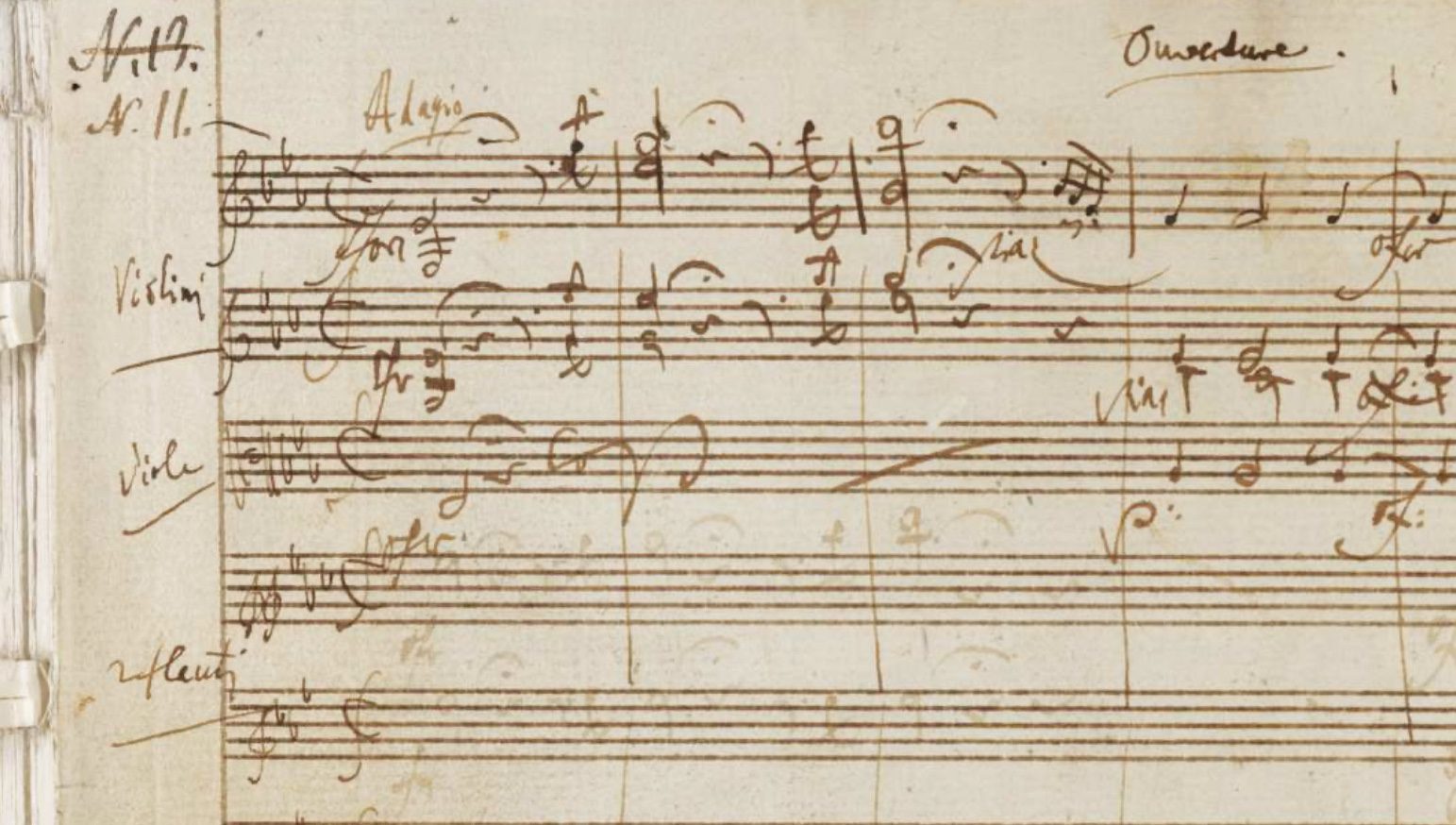
Few works in opera, or any musical genre, are as exuberantly shaped by Masonic symbolism as The Magic Flute. In brief: The story opens mid-action. Tamino, a prince lost in a foreign land, is pursued by a serpent and rescued by three mysterious women. They show him a portrait of Pamina, with whom he instantly falls in love, and tell him she has been taken by the powerful Sarastro. Armed with a magic flute and accompanied by the bird-catcher Papageno, Tamino sets out to find her. The story quickly complicates itself: What appears to be a simple battle between good and evil shifts, and certainty gives way to trial, judgment, and transformation. The Magic Flute is a singspiel— part opera, part spoken theater— about finding one’s place in the world. Its tests are not just of courage, but of perception and character, echoing the staged progressions of Masonic initiation. One of its most noteworthy features is its persistent use of the number three. Audiences encounter it everywhere: three guiding women; three boy spirits; three trials; three temples devoted to Wisdom, Reason, and Nature. We can’t help but be struck by the three opening chords in E-flat major—a key built on three flats (B♭, E♭, A♭) and long associated with solemnity and grandeur. These chords announce the overture and return at pivotal moments; they also mirror the rhythmic pattern of ceremonial knocks used in Austrian lodges, a sound Mozart knew well. As for the opera’s characters, many have seen real-world Masonic counterparts behind the allegory. Sarastro, the wise and steady high priest, is often linked to Ignaz von Born, a leading figure in Vienna’s Masonic circles and head of Mozart’s lodge. In him we see an idealized Master: measured, benevolent, and committed to guiding worthy candidates through trials toward enlightenment. It’s through the opera’s trials, more than any single symbol, that The Magic Flute most explicitly embodies Masonic values: a journey from darkness to light, guided by wisdom, balance, and truth.

The first unmistakably Masonic turn in the plot arrives at the end of Act I. Tamino is instructed to remain “steadfast, patient, and silent.” It’s more than good advice—it’s presented as a ritual threshold. With that charge, the opera shifts from fairy tale to something initiatory in tone. Soon after, Tamino is veiled and led away—a scene that echoes the preparation of a Masonic candidate before initiation. 

Act II opens with ceremonial grandeur. Eighteen thrones line the stage, with Sarastro at the center as he and his fellow priests enter in procession. The music— anchored by low-voiced basset horns—carries the weight of a formal gathering. A triple fanfare is heard. Questions follow: “Is he virtuous? Cautious? Charitable?” The answers satisfy. Another threefold chord resounds. The candidate is admitted. 

What follows is one of opera’s most profound moments: Sarastro’s prayer, a bass aria of remarkable depth and serenity. Here, the ideals of the craft— virtue, perseverance, enlightenment— are not just implied but sung with quiet authority. 

The opera’s final sequence brings the Masonic symbolism into sharp focus. Tamino approaches two gates—one a roaring waterfall, the other blazing fire—and the music rings out with three more chords. Guardians stand watch and intone a chorale reminiscent of an old German hymn, enveloping the scene in a soundscape that feels sacred and familiar. Then, an extraordinary trial: Tamino is tested through the classical elements—fire, water, air, and earth—a ceremonial sequence that resonates with initiatory traditions in European Masonry. 

The Magic Flute premiered in 1791 at Vienna’s Freihaus- Theater auf der Wieden, with Mozart on the podium. It was an immediate success. Its potent blend of spectacle and philosophical depth carried it swiftly into the cultural mainstream, where it has remained ever since. It would be the last opera Mozart saw premiered: He died less than three months later, leaving behind a work that continues to resonate as one of the most enduring Masonic-masterpieces in the world.

Mozart's Masonic Works

Maurerische Trauermusik (Masonic Funeral Music), K. 477 (K. 479a): Composed for the funeral of two lodge brothers.

Die Maurerfreude (The Mason’s Joy), K. 471: A cantata written to celebrate a fellow Mason.

Lied zur Gesellenreise (Song for the Journeymen’s Travels), K. 468: Written for the installation of new journeymen.

Laut verkünde unsre Freude (Little Masonic Cantata), K. 623: Composed for the dedication of a new Masonic temple in Vienna.

LISTEN TO OUR CURATED SPOTIFY LIST OF MOZART’S MASONIC MUSIC.

Masonic Themes in Magic Flute

The central figures in The Magic Flute move through the drama not only as characters, but as embodiments of ideas, each reflecting a different aspect of the Masonic journey.
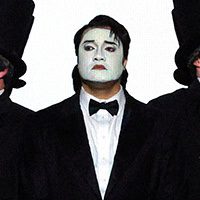
TAMINO (tenor):
Aprince, and the opera’s central seeker. His path is one of initiation, moving from confusion toward understanding as he is tested and refined.
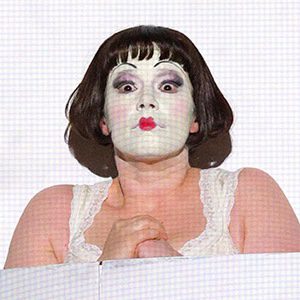
PAMINA (soprano):
Daughter of the Queen of the Night, and the feminine complement to Tamino. She represents light and wisdom, and through her trials rises to stand with Tamino as an equal in “godhood” (reason and love), a gesture toward the “perfect union” in Masonic philosophy.

SARASTRO (bass):
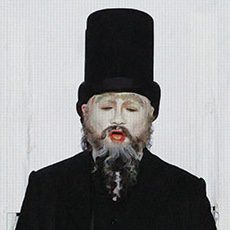
Priest of the Sun. A figure of enlightenment, he embodies reason, wisdom, and light, guiding worthy candidates toward a higher order.
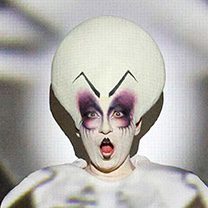
QUEEN OF THE NIGHT (coloratura soprano):
A force of darkness and emotional intensity, often understood to embody destructive, anti- Enlightenment passion.
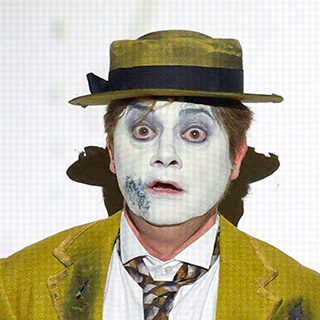
PAPAGENO (baritone):
A halfbird, half-human bird catcher, grounded in the everyday. He stands as the natural, earthly “every man,” content with simpler pleasures and less inclined toward transformation.
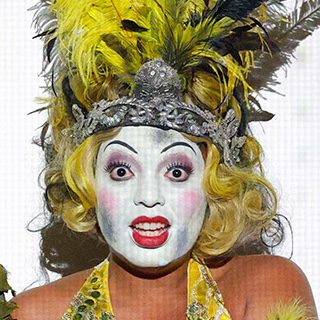
PAPAGENA (soprano):
Papageno’s counterpart, reflecting a more earthly expression of the feminine—playful, instinctive, and rooted in the material world.
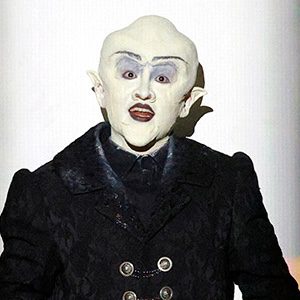
MONASTATOS (tenor):
A servant to Sarastro, often read as representing the “lower nature,” or those earthly impulses that must be confronted and overcome.

Photography by:
Cory Weaver
San Francisco Opera
Wikimedia

more from the archives: