
At the International Conference on Freemasonry, a Masonic Fact Check
The International Conference explores Masonry in film, politics, and propaganda.
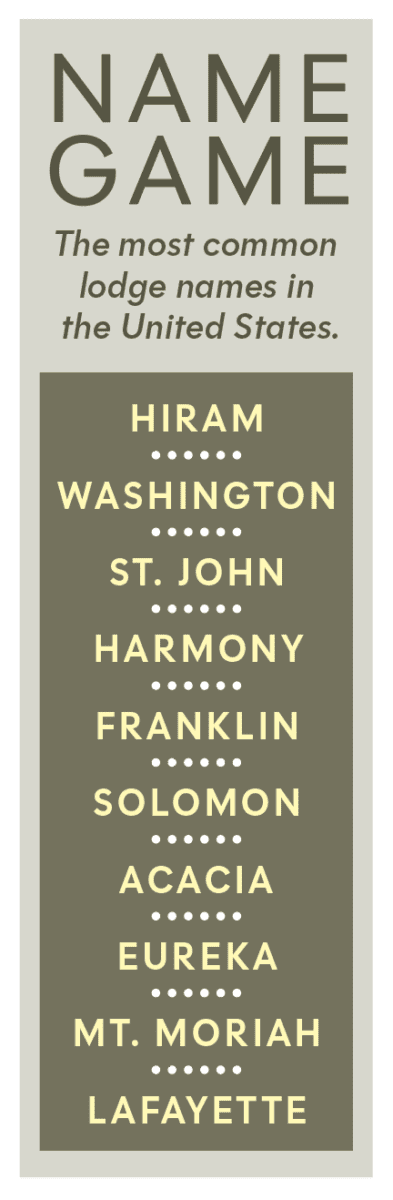 There are countless examples of streets named “Masonic.” In most cases, it’s easy to understand why: They lead—or used to lead—to a Masonic temple. (Or in the case of San Francisco’s Masonic Avenue, to the old Masonic cemetery.)
What, then, explains the Masonic Avenue that runs through the East Bay town of Albany? At first glance, the street doesn’t seem to have any connection to the fraternity at all. There’s no temple or lodge in sight. In fact, the only Masonic body that ever met in town, the old Albany № 686, wasn’t even chartered until 1945, about four decades after the street was christened.
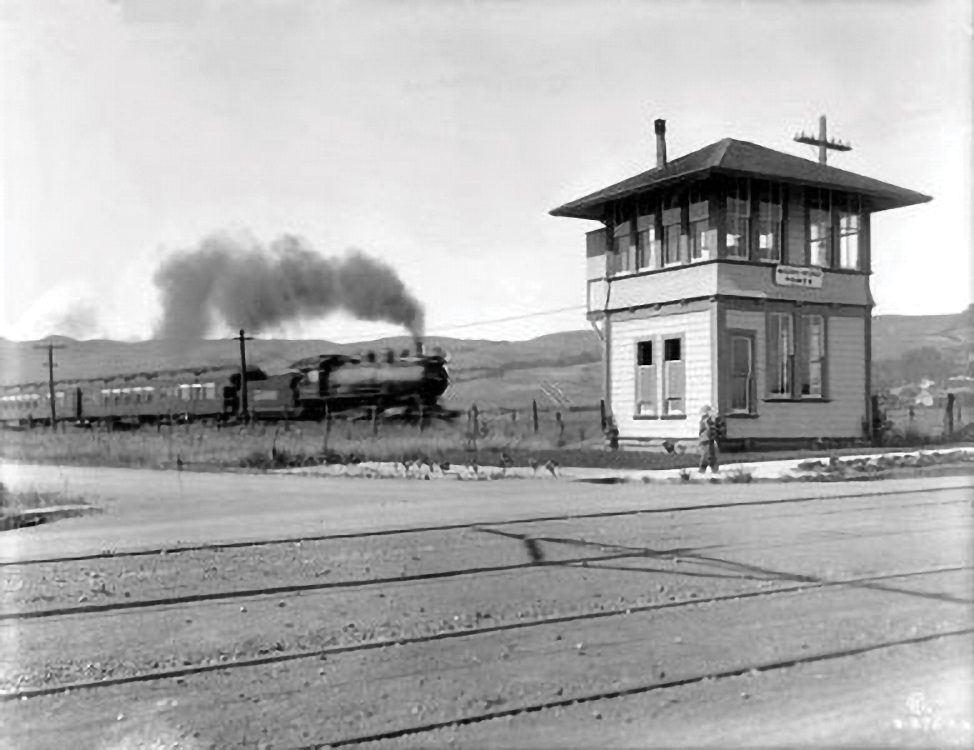
For years, it’s been a bit of a fraternal mystery in the Bay Area. Old city directories show that the street name first appeared in 1908. That makes sense: Much of what’s now Albany was built in the immediate aftermath of the San Francisco earthquake and fire, when more than 100,000 displaced residents streamed into the area, says Karen Sorensen, a local historian and author of Albany: Stories from the Village by the Bay.
According to Marsha Skinner, of the Albany Historical Society, it’s likely that planners or surveyors associated with the two biggest development companies gave the streets their names. She points to the English-born surveyor Robert Brousefield, who named the small town of Kensington, just east of Albany, after the London district he’d previously lived in. “It’s clear they had a wide latitude” when it came to place names, Skinner says.
The International Conference explores Masonry in film, politics, and propaganda.

Meet a Darryl Watts, member of Elk Grove No. 173, who helped organize a 3,000-pound donation with fellow community organizations.
A celebration of the pancake breakfasts, the blood drives, the Teacher of the Year dinners—and the million other ways Masons give back.