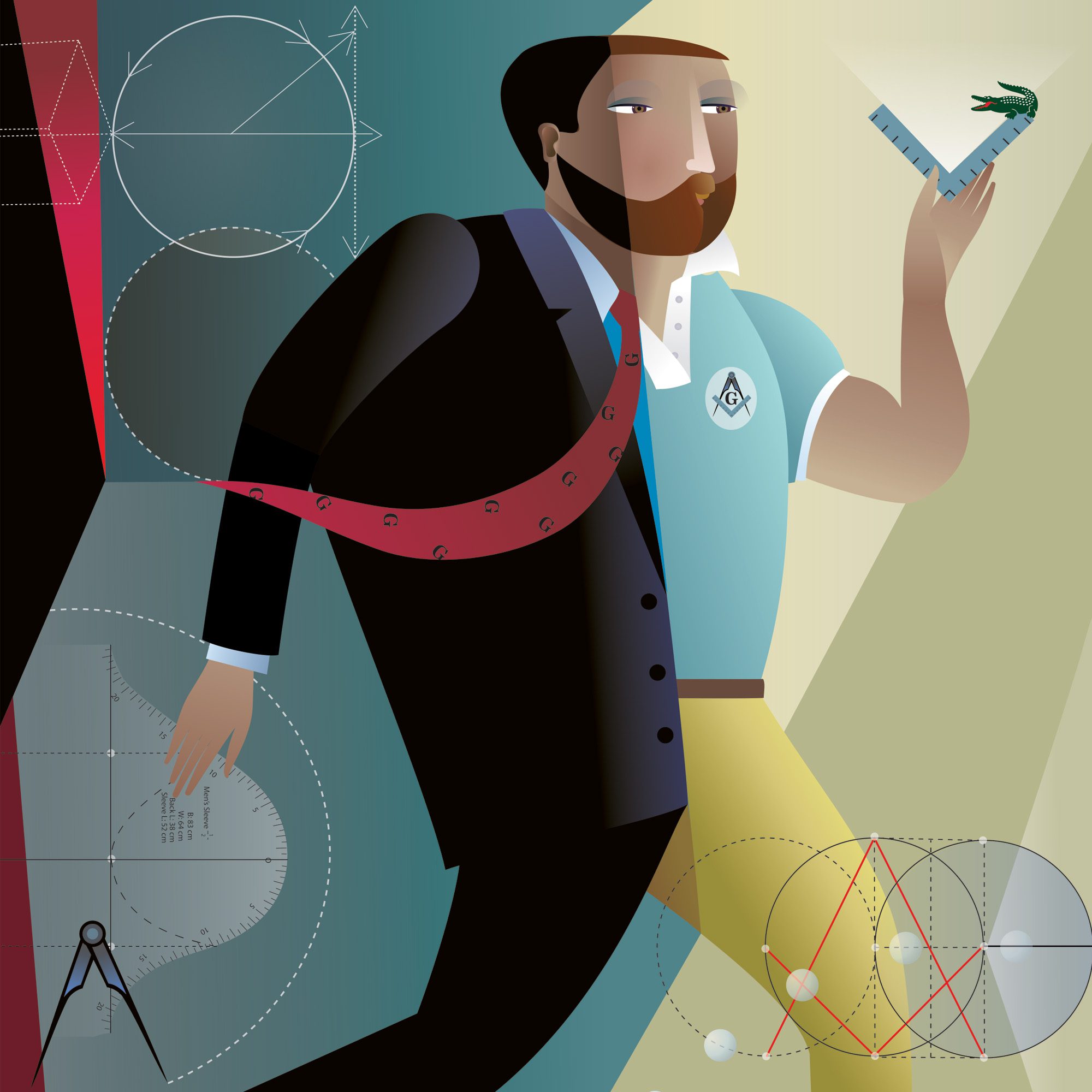
The Rise of the Masonic Polo
An open collar with no tie at lodge would have invited side glances in years past, but today, polos prevail.
By Drea Roemer
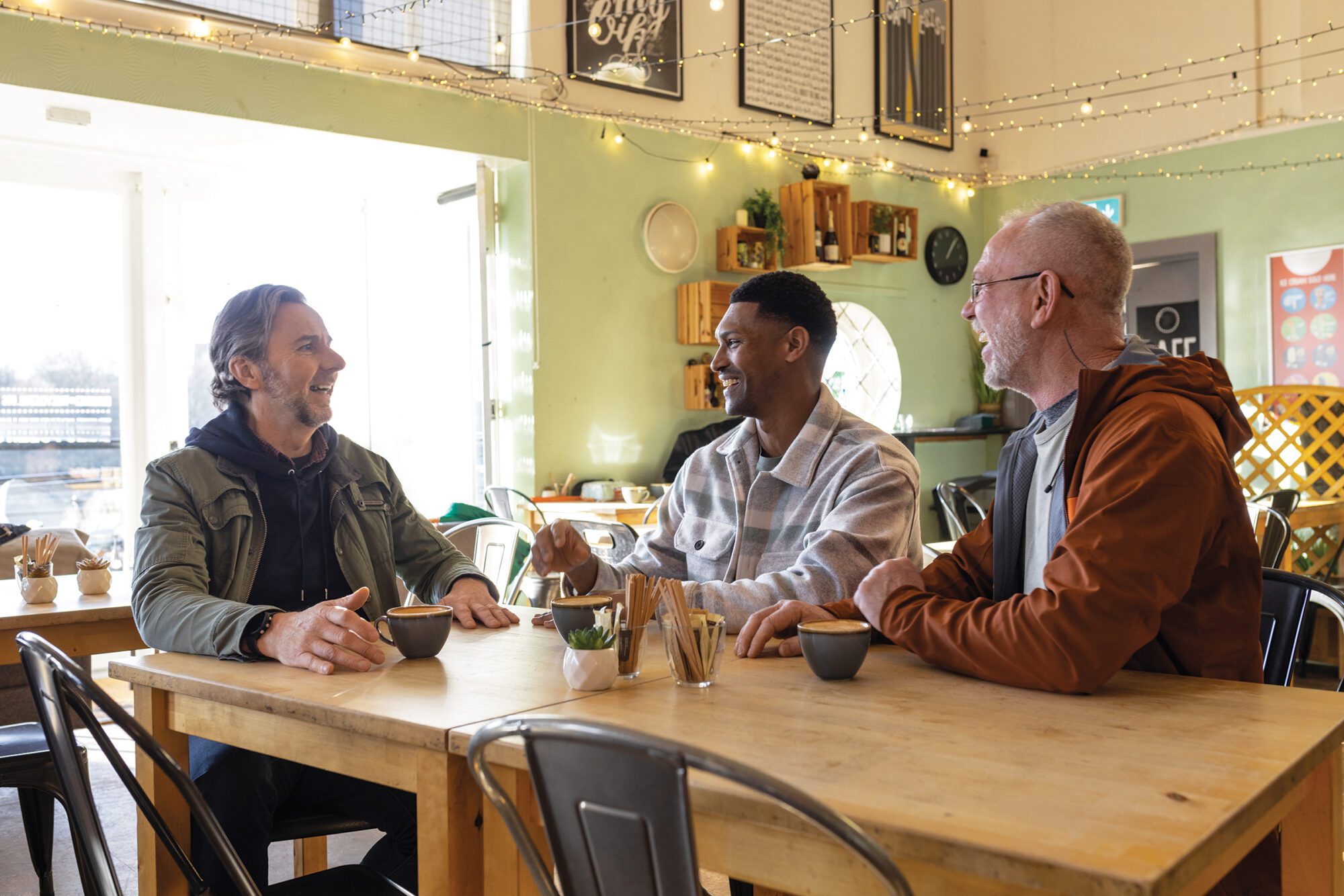
In May of 2023, U.S. Surgeon General Dr. Vivek Murthy declared loneliness a public health issue in the United States, correlating prolonged loneliness and isolation to increased likelihood of health issues, including heart disease, dementia, and depression. The antidote to isolation is community, which Masons have been providing for each other and their families for over 300 years. Even so, like anyone else, Masons can become disconnected from their lodges and support systems, for many reasons. Masonic Outreach Services (MOS) has taken an important role in providing Masons—particularly elders and those facing life challenges—with the services they need to stay in community with their brethren. “Reconnecting folks with their lodge is so important,” says Sol Silverman, Director of Masonic Assistance and Outreach at MOS. “Lodges are a big social support, so if someone is disconnected, we try to provide assistance where it is needed most.”
Reconnecting Masons is a major component of MOS’s Lodge Outreach Program. Three times per year, the program sends a team—Tiffany Lozoya (Manager of Outreach and Education), Naomi Chu (Community Outreach Educator), and several other care managers—to all ten Masonic divisions in California, where they train members on how to effectively reach out within their own lodges and communities. Last fall, the team went to Eureka, and spoke with lodge members on how to approach Masons who had become isolated. “The training was about reconnecting what we were calling ‘absent Masons’ or their surviving spouses,” says Silverman. And in the case that the “absent Mason” was in need, the team gave the lodge information about the services that Masons and their families can access, such as housing and financial support through MOS, and mental health support through Masonic Center for Youth and Families (MCYAF). Many Masons don’t realize that these resources are available—for Masons at all stages of life.
“A lot of Masons are surprised when they hear that these services exist,” says Angela Dickson, Manager of MOS. “Members may have heard of MCYAF, but they think it’s just for youth, when it’s for Masons of any age.” It is critical that Masons throughout California know about these services, says Dickson, who recounts a lodge that disclosed losing two members to suicide. “Their lodge had been suffering in silence,” says Dickson “Knowing and sharing that MCYAF provides grief support, even remotely, with licensed mental health professionals is a huge help. And if they need boots on the ground, MOS or MCYAF will have someone drive up.”
In addition to bridging the information gap around services, MOS works to reconnect Masons who are afraid to show up because they feel they will be a burden to their lodge. “Lodge members struggle to show up when in crisis because of shame and guilt,” says Dickson. “So they often don’t show up when they need the support most.”
Elder Masons, in particular, might become disconnected due to physical or logistical barriers, such as transportation. “Some seniors have physical challenges that make it hard to leave the house, or they might not be able to drive at night, when many lodges meet,” says Silverman. “So MOS will find a volunteer who can help with transportation, or make friendly visits at Masons’ homes.” The trainings provide members with checklists, so that when a younger member visits, they can identify the greatest need. There is also a virtual “Social Circle” for elder Masons, which meets every other week, and is facilitated by interns pursuing their masters degrees in Social Work. “There are lots of ways we work with people to help reduce isolation and loneliness,” says Silverman.
In addition to providing hands-on and remote services, MOS’s Lodge Outreach Program trainings open up conversations around shame and guilt, in the hopes that these feelings won’t get in the way of Masons’ reaching out for help. “During the conversation we were having with the Eureka lodge, brothers were saying to each other, ‘We don’t need you to show up as your best self,’” says Dickson. “They were saying, ‘When you’re at your worst, that’s when we can support you.’”
One of MOS’s main focuses is improving communication between younger lodge members and their elders to encourage support and community. “Communication across generations is a big part of the outreach,” says Silverman, “and the next training we’re doing is all about that. We’re tying in skills workshops as well, which will be virtual trainings across the state.” This training will also focus on how to differentiate typical cognitive aging from age-related dementia.
Ultimately, these trainings remind younger Masons that they can support elders by doing home visits, conducting fire alarm and carbon monox-ide checks, offering to mow lawns, making friendly phone calls, and utilizing youth groups, like DeMo-lay, Job’s Daughters or Rainbow Girls. “These are really easy ways to start the process of reconnecting across generations,” Dickson says.
One lodge did a “Then and Now,” centering elder Masons’ voices by providing a space where they discussed their experiences with younger Masons and answered questions, creating an inter-generational web of support, and bringing older Masons back into the fold.
In Eureka, a widowed spouse luncheon became a “Lady’s Lunch,” when the spouses opened up the luncheon to everyone, including current Masons and their wives.
Community is a necessity, and Masonic Outreach Services exists to help reconnect elder and isolated Masons with their communities through wellness services, resources, financial assistance, and referrals to places like MCYAF for specific mental health needs. This support system is available for Masons of any age, and helps those most vulnerable, especially elders, stay connected. “Even if a lodge member can’t show up to lodge meetings, we can connect them with a care manager, we can call and visit them at home,” says Dickson. “There are so many things we can do to help Masons feel supported and stay engaged.” And staying engaged means staying in community—something every one of us needs.
To support MOS services and to learn about training options, email lodgeoutreach@mhcuc.org.
Photography by:
Sol Stock

An open collar with no tie at lodge would have invited side glances in years past, but today, polos prevail.

A closer look at the Master’s top hat: A sign of status, a nod to the past, or just a clever way to block the sun?
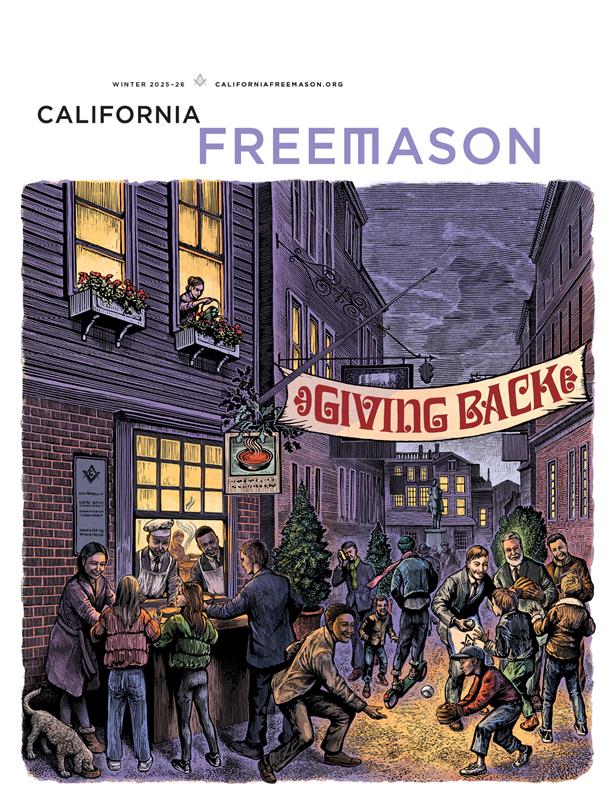
Meet G. Michael Arnold of the Midnight Mission on building his community daily.