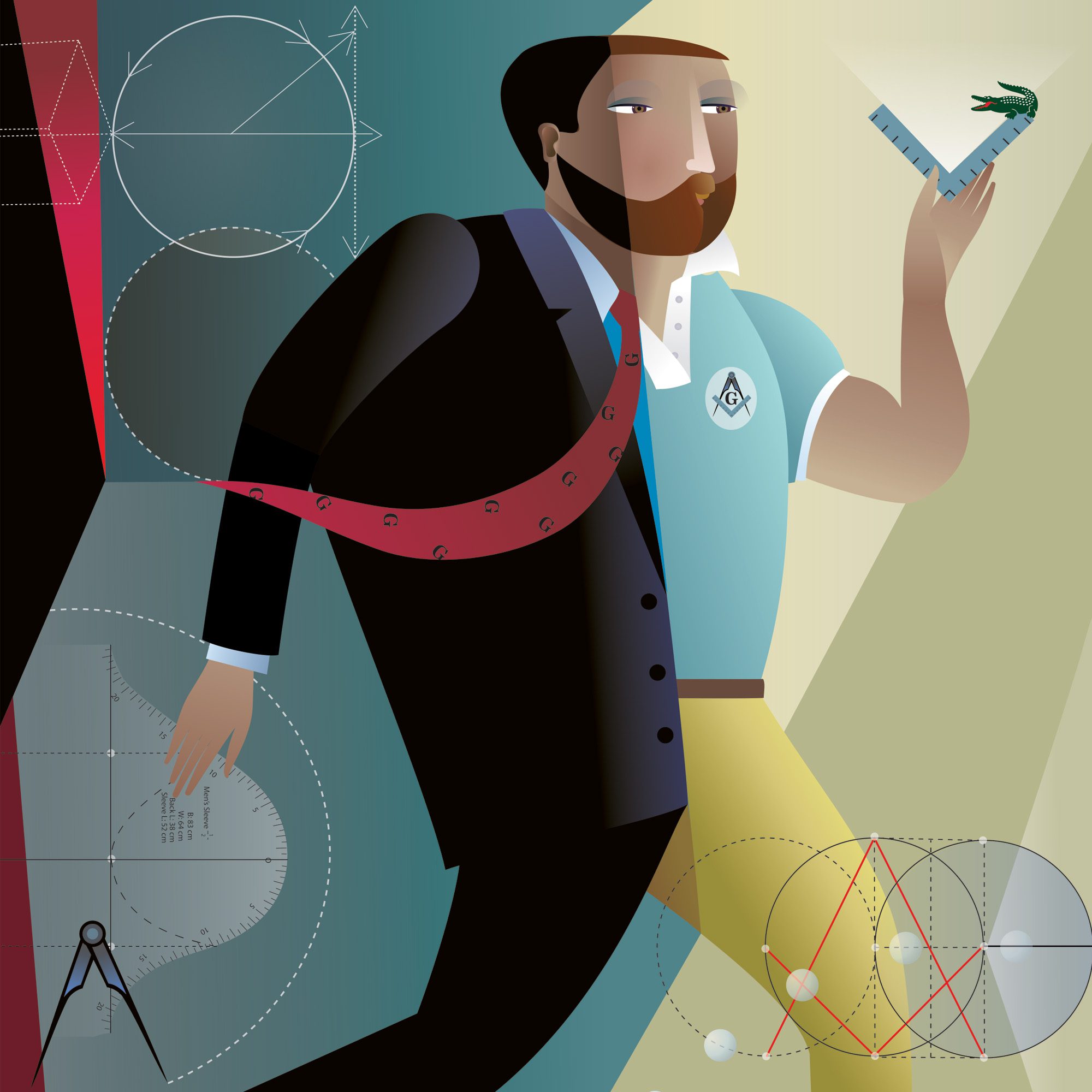
The Rise of the Masonic Polo
An open collar with no tie at lodge would have invited side glances in years past, but today, polos prevail.
By Tony Gilbert
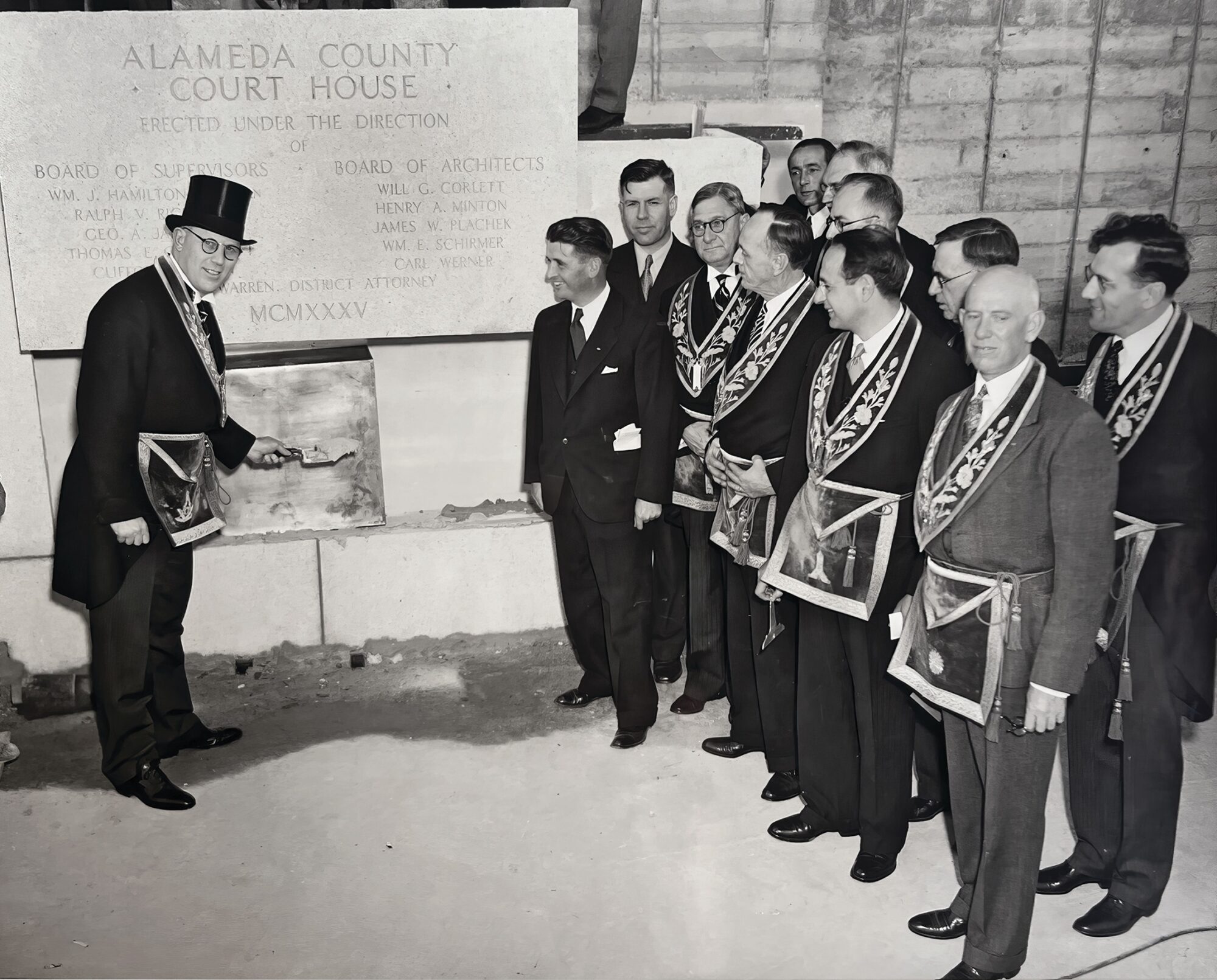
Top hats project an aura of posh elegance and bygone charm, maybe because they’re so rarely seen outside of weddings or magic shows. The top hat immediately stands out as a fashion statement, both for its novelty and also for its height (and it’s a quick way to appear a few inches taller).
The top hat can still be found in Masonic lodges, where it distinguishes the master of a lodge. It’s a symbol of his office and shows members’ deference to their leader, since he’s the only one who wears a hat inside the lodge. There are variations, like the Western hats preferred in some districts, and even the Colonial era–style three-cornered hat still worn by the grand master in Massachusetts. But the black top hat remains the classic, and the garment most closely associated with the role of master.
Top hats weren’t always linked with high status. They were common in the everyday attire of all social classes in the mid-19th century. Even the tall stovepipe-style top hat worn by Abraham Lincoln was considered unassuming. According to Smithsonian magazine contributor Stephen L. Carter, Lincoln’s hat may even have been an “affectation” or prop intended to project an image of frontier folksiness.
The top hat worn in today’s lodge is a nod to formality and a timeless sign of respect to the craft. Or, as some Masons playfully point out, since the lodge master sits in the east, looking to the west in the direction of the setting sun, it’s only fitting that he should wear a hat—so he has something to block the sun from his eyes.
Fraternal orders are known by their hats. From the master’s top hat at a blue lodge to the fez of a Shriner, membership is marked by headwear. Each hat shown here acts as a kind of “visual shorthand” for a member’s affiliation or event rank, with clues in their interior stamps and labels offering a rare glimpse into the lives of the men who wore them. These include hats worn by Supreme Court Justice Earl Warren and actor Roy Rogers.

An open collar with no tie at lodge would have invited side glances in years past, but today, polos prevail.