
Member Profile: Darryl Watts
Meet a Darryl Watts, member of Elk Grove No. 173, who helped organize a 3,000-pound donation with fellow community organizations.

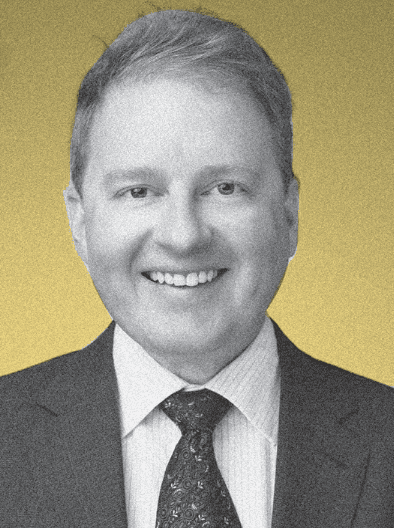 Mark McNee was introduced to the San Francisco Education Fund through his work as a trustee of the California Masonic Foundation. Before long McNee, a real estate broker in San Francisco, was invited to serve on the fund’s board of directors, where he now works to provide literacy tutoring, identify corporate and community volunteers, and provide financial grants to educators in San Francisco Unified School District.
What does the S.F. Education Fund do well?
“The Ed Fund has identified a highly effective model that places paid tutors at schools to work one-on-one with students for five to 15 minutes at a time. These short, focused sessions emphasize foundational reading skills. Over the five-month pilot, grade-level literacy rates rose from 24 percent to 54 percent in the classrooms we worked with.”
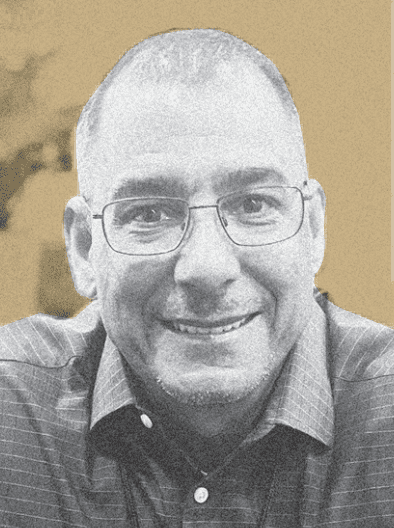 David Prentice first visited the Midnight Mission, on Los Angeles’s Skid Row, as a student intern looking to complete his drug and alcohol counselor certification. Since then, he’s made himself a fixture at the homelessness nonprofit— rising from the role of program director to major gift officer, director of philanthropy, and now president and CEO of the 111-year-old organization, which has a long history of Masonic leadership.
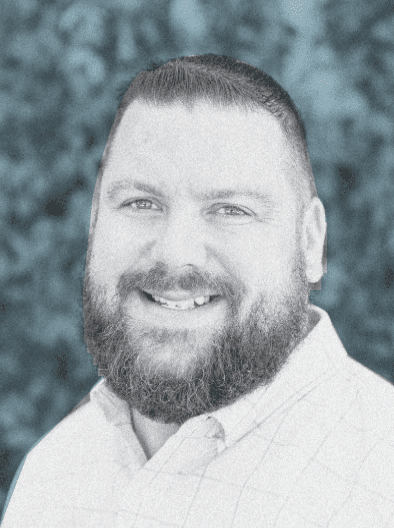 When the Covid shutdowns swept the state in March 2020, Jonathan Gray’s division at the YMCA of Long Beach closed up shop—for all of 24 hours. One day later, they were back up and running, operating a distribution program that today provides more than eight tons of food to needy families each month. On top of that, its community development arm, for which Gray serves as associate executive director, provides those in need with access to social workers, offers digital literacy classes, runs a free program that helps teens learn about finances and other skills, and organizes summertime wilderness excursions.
What about the YMCA’s work do you most connect with?
“When most people think of the YMCA, they think of fitness facilities with pools and a gym. But Community Development is different. Being a lifelong resident of Long Beach, I cherish the work we do for residents who might not otherwise be able to afford programming. My lodge, Long Beach № 327, is immensely supportive of my work. They’ve contributed time and money and even offered us the dining room for charitable events.”
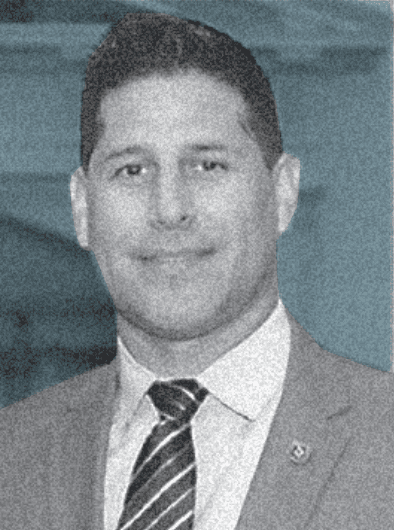 It’s fitting that Carlos Diez first met leaders from Operation Jump Start, a college readiness nonprofit serving first-generation college students from Long Beach, through the California Masonic Foundation: Convening like-minded leaders and letting the philanthropic sparks fly is more or less its central philosophy. Since then, Diez has served on the organization’s board of directors, helping shape its scholarship programs, operations, and outreach.
What is Operation Jump Start’s elevator pitch?
“Operation Jump Start helps first-gen students get in, stay in, and graduate from four-year colleges. It provides the academic support, mentoring, and real-world exposure that most of us wish we’d had at 16. Roughly 95 percent of participants go straight to college. About 85 percent earn a bachelor’s degree within six years, compared with the national average of only 9 percent. Those are life-changing outcomes for students who have the drive and just need the resources.”
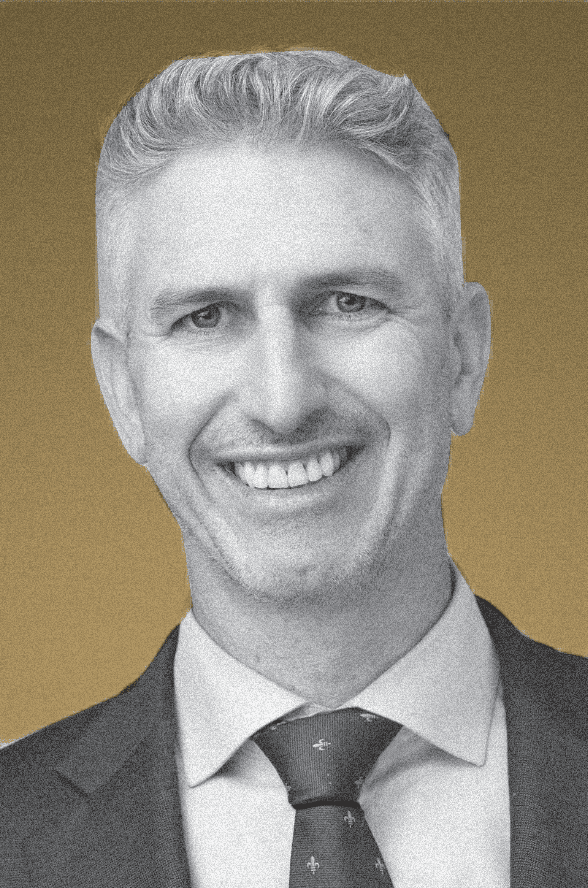 Greg Cherry’s first meeting as a member of the board of College Access Plan of Pasadena, Altadena, and Hacienda La Puente was in February 2025, just weeks after the L.A. fires destroyed the very communities the nonprofit serves. An incredible 85 percent of the its students had been displaced. “It was a raw and emotional meeting,” Cherry says. But it also gave the group a sense of purpose.
How have the fires impacted the organization’s mission?
“We’ve transformed, out of necessity, from a simple scholarship organization into a disaster-response team. CAP has helped families find new homes, get access to food and clothing, transfer high schools, and provided emotional support and mental health checkups to students who suddenly had far greater concerns than just going to college. It’s a wonderful organization that fosters a true sense of belonging and family for its students.”
Meet a Darryl Watts, member of Elk Grove No. 173, who helped organize a 3,000-pound donation with fellow community organizations.

Masons want to give back. Now the Grand Lodge of California, through its Keystone Initiative, is working to help them do just that.

The International Conference explores Masonry in film, politics, and propaganda.